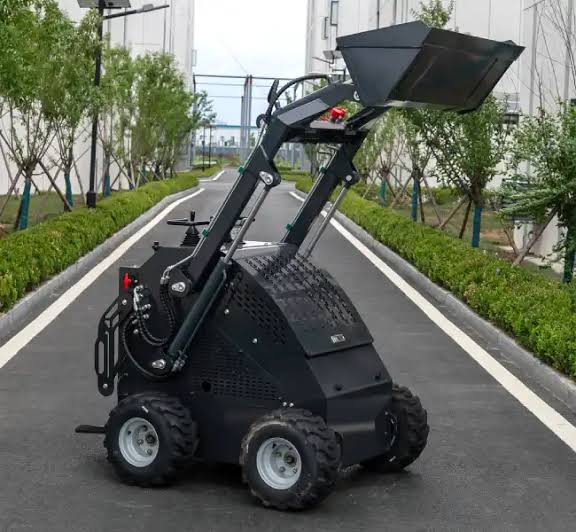
Electric Skid Steer Operating Costs: A Practical Guide for Equipment Owners
Operating costs play a major role in determining whether a piece of construction equipment delivers long-term value. Beyond the initial purchase price, equipment owners must account for energy consumption, maintenance, repairs, labor, downtime, and eventual component replacement. Understanding these expenses helps businesses plan budgets, compare equipment options, and make better purchasing decisions.
An Electric Skid Steer uses battery power instead of a conventional diesel engine, which can change its ongoing cost structure. While electricity expenses and reduced engine-related maintenance may offer savings, the actual financial benefits depend on workload, local energy prices, battery performance, and charging infrastructure.
1. Understanding the Main Operating Costs
The total operating cost of an electric skid steer includes both routine expenses and costs that arise over time. Some expenses are relatively predictable, while others depend on working conditions and equipment usage.
The main cost categories include:
- Electricity: Energy required to charge the battery and operate the machine.
- Routine maintenance: Inspections, hydraulic servicing, tire or track care, and other scheduled tasks.
- Repairs: Replacement of damaged or worn components.
- Battery management: Monitoring battery health and following appropriate charging and storage procedures.
- Charging infrastructure: Installation, maintenance, and potential upgrades to electrical equipment.
- Labor and downtime: Time spent charging, servicing, or waiting for equipment to become available.
- Ownership costs: Financing, insurance, depreciation, and eventual resale value.
Separating these expenses makes it easier to understand where savings may occur and which factors have the greatest influence on the overall budget.
2. Electricity Costs and Energy Consumption
Electricity is one of the most direct recurring expenses for an electric skid steer. The amount spent on charging depends on the machine’s energy consumption, the electricity tariff, charging efficiency, and the number of operating hours.
A machine performing light material-handling work may consume considerably less energy than one operating continuously with a demanding hydraulic attachment. Terrain, load weight, driving habits, and temperature can also affect consumption.
Equipment owners can estimate charging costs using a straightforward calculation:
Charging cost = Electricity consumed (kWh) × Electricity price per kWh
For example, if a machine uses 25 kWh of electricity to recharge after a typical shift and electricity costs $0.15 per kWh, the energy cost would be $3.75 for that charge. This is an illustrative calculation, not a guaranteed consumption figure for any particular machine.
Actual electricity drawn from the supply may be higher than the energy delivered to the battery because charging involves some energy losses. For budgeting purposes, owners should use measured consumption or manufacturer data where available.
3. Comparing Electricity Costs with Diesel Fuel
One of the most useful ways to evaluate an electric skid steer is to compare its energy cost with that of a comparable diesel-powered model.
Diesel operating costs depend on fuel consumption per hour and the local price of diesel. Electric operating costs depend on electricity consumption and the applicable tariff. Both figures should represent similar workloads to produce a meaningful comparison.
For example, a business should not compare the electricity used during light loading with the diesel consumed during continuous heavy-duty operation. Instead, it should measure or estimate energy use during comparable shifts.
The comparison should also account for charging losses, fuel delivery expenses where applicable, and differences in productivity. Lower energy costs per hour are valuable, but they do not automatically mean the machine has a lower total cost of ownership.
4. Maintenance Expenses for Electric Skid Steers
Electric skid steers generally avoid several maintenance tasks associated with conventional diesel engines. Depending on the model, owners may not need to pay for engine oil changes, diesel fuel filters, engine air filters, or certain exhaust-system servicing procedures.
However, electric equipment still requires regular maintenance. Hydraulic systems, tires or tracks, lift arms, attachment connections, electrical components, cooling systems, and safety devices must be inspected and serviced according to the manufacturer’s schedule.
Maintenance costs may include:
- Hydraulic fluid and filter servicing.
- Tire or track inspection and replacement.
- Lubrication of designated mechanical components.
- Inspection of electrical cables and connectors.
- Cooling system maintenance where applicable.
- Repairs to controls, sensors, motors, and hydraulic components.
The exact maintenance savings depend on machine design, service intervals, local labor rates, and operating conditions. Owners should compare the scheduled maintenance requirements of specific models instead of assuming all electric machines have identical service costs.
5. Battery Health and Long-Term Replacement Costs
The battery is one of the most important components affecting the long-term economics of an electric skid steer. Its performance can change with age, charging history, temperature exposure, workload, and the number and type of charging cycles.
Battery replacement can be a significant future expense, although the timing and cost vary substantially by model and battery technology. Some batteries may remain suitable for many years under appropriate operating conditions, while demanding use or poor management can shorten their useful service life.
To manage this cost, owners should:
- Follow the manufacturer’s charging recommendations.
- Avoid operating or charging outside specified temperature limits.
- Monitor battery health indicators and diagnostic alerts.
- Keep cooling passages clear where required.
- Store the machine according to the recommended procedure.
- Investigate unusual changes in runtime or charging behavior.
When comparing equipment, ask about battery warranty terms, coverage limits, expected service requirements, replacement availability, and the cost of qualified battery service. These details help create a more realistic long-term ownership estimate.
6. Charging Infrastructure and Installation Costs
Charging infrastructure can add to the initial cost of adopting electric equipment. Depending on the machine, charger type, and site conditions, a business may need dedicated charging equipment, electrical installation, or upgrades to its existing power supply.
A small operation with suitable electrical capacity may need only a relatively straightforward charging arrangement. A larger fleet with multiple machines may require additional chargers, load management, or a more comprehensive electrical assessment.
Before purchasing equipment, owners should determine:
- Whether the available power supply meets the charger’s requirements.
- How long charging will take under expected conditions.
- Whether several machines need to charge simultaneously.
- Whether the electrical installation requires upgrades.
- What installation, inspection, and maintenance expenses may apply.
Charging infrastructure should be evaluated over the expected service life of the equipment. If several machines can use the same properly designed facility, the infrastructure cost per machine may be lower than for a single-machine installation.
7. Labor Costs and Equipment Availability
Labor expenses can influence the total cost of operating a skid steer, especially on projects with tight schedules. Equipment that is unavailable when needed can delay work, disrupt crews, and increase project costs.
Electric skid steers may require less time for certain engine-related maintenance tasks. However, charging takes time, and businesses must ensure that the battery has sufficient energy for the planned workload.
Effective scheduling can reduce the impact of charging on productivity. Operators may charge during breaks, shift changes, or periods when the machine is not required, provided the battery and charger instructions permit the chosen arrangement.
Businesses should also consider operator training, technician availability, and the time required to diagnose electrical or hydraulic faults. An equipment investment is more valuable when the machine can be kept productive with minimal unplanned downtime.
8. The Effect of Attachments on Operating Costs
Attachments influence both productivity and energy consumption. A general-purpose bucket used for moving loose materials may have different power demands from an auger, trencher, breaker, or other hydraulic tool.
High-demand attachments can increase electricity use and may reduce the time available between charges. They can also affect wear on hydraulic components and other parts of the machine.
Owners should verify attachment compatibility, hydraulic flow requirements, operating pressure, and weight limits before use. Selecting an attachment that matches the task can improve efficiency and avoid unnecessary strain on the equipment.
When estimating operating costs, evaluate the machine’s actual work pattern. A battery-runtime estimate based on light loading may not reflect a full shift of continuous hydraulic attachment operation.
9. Tires, Tracks, and Wear Components
Electric power does not eliminate the ordinary wear associated with moving heavy equipment across a worksite. Tires, tracks, undercarriage parts, hydraulic hoses, pins, bushings, and attachment components may all require maintenance or replacement.
The rate of wear depends on terrain, operating technique, machine weight, turning frequency, load handling, and maintenance quality. Skid steering can place additional stress on tires or tracks because the machine turns by varying the speed of its left and right sides.
Owners can manage these expenses by conducting regular inspections, maintaining appropriate tire pressure or track condition where applicable, and using the machine on suitable surfaces. Avoiding unnecessarily aggressive turns and following recommended operating procedures can also help reduce premature wear.
A complete cost estimate should include realistic allowances for wear parts rather than focusing only on electricity and scheduled servicing.
10. Downtime and Repair Expenses
Unexpected repairs can increase operating costs beyond the price of replacement parts. Delayed work, rescheduled labor, equipment rental, and missed deadlines may create additional financial pressure.
Electric skid steers have fewer conventional engine-related service requirements, but electrical, hydraulic, mechanical, and control-system faults can still occur. Repair expenses depend on the nature of the problem, warranty coverage, parts availability, and the qualifications of the service provider.
To reduce avoidable downtime, owners should follow preventive maintenance schedules, keep records of recurring faults, and arrange access to qualified technicians. It is also useful to understand the manufacturer’s diagnostic procedures and the availability of replacement components before purchasing a machine.
For businesses that depend heavily on one machine, contingency planning is important. Access to backup equipment or a suitable rental option can help protect project schedules if a repair takes longer than expected.
11. Calculating the Total Cost of Ownership
Hourly operating cost is useful for budgeting, but it does not capture every expense associated with owning equipment. A more complete assessment considers the total cost of ownership over a defined period.
A practical framework is:
Total cost of ownership = Purchase and financing costs + energy + maintenance + repairs + infrastructure + other ownership expenses − resale value
For a meaningful comparison, owners should use the same ownership period and similar workload assumptions for electric and diesel machines. Costs may include insurance, financing interest, taxes where applicable, depreciation, and charging infrastructure.
A simple hourly operating-cost calculation can be used alongside this broader assessment:
Operating cost per hour = Total operating expenses ÷ Operating hours
Include electricity, routine servicing, repairs, and wear components in the operating-expense figure. Keep financing, depreciation, and other ownership expenses separate if the purpose is to calculate a narrower operating cost.
The distinction matters because a machine with a low hourly energy cost may still have a higher overall ownership cost if its initial price or infrastructure requirements are substantially greater.
12. A Practical Example of Operating-Cost Comparison
Consider a business comparing an electric skid steer with a diesel model over a period of regular use. The following example demonstrates how to structure the calculation. All figures are hypothetical and are not specifications or price estimates for a particular machine.
| Cost item | Electric model | Diesel model |
|---|---|---|
| Energy or fuel cost per hour | $3.50 | $7.00 |
| Routine maintenance per hour | $1.50 | $2.50 |
| Wear parts and repairs allowance per hour | $1.00 | $1.25 |
| Estimated operating cost per hour | $6.00 | $10.75 |
In this example, the electric model’s estimated operating cost is $4.75 lower per hour. At 1,000 operating hours, that would represent a potential operating-cost difference of $4,750 before accounting for differences in purchase price, charging infrastructure, financing, productivity, or resale value.
These results should not be treated as typical industry figures. Real costs can differ substantially according to machine specifications, energy prices, service requirements, workload, and operating environment.
The purpose of the example is to show why businesses should calculate costs using their own usage data rather than relying on generalized savings claims.
13. Strategies to Reduce Electric Skid Steer Operating Costs
Equipment owners can manage costs through a combination of operating discipline, charging planning, preventive maintenance, and careful equipment selection.
Improve charging efficiency. Use approved charging equipment and schedule charging during planned downtime where practical.
Train operators. Smooth machine movements, efficient route planning, and appropriate attachment use can reduce unnecessary energy consumption.
Maintain the hydraulic system. Inspect hoses, fittings, fluid condition, and filters according to the service schedule to help maintain reliable operation.
Monitor energy consumption. Record charging energy and operating hours to identify changes in consumption and improve cost forecasts.
Plan preventive maintenance. Address minor problems early to reduce the risk of more expensive repairs and extended downtime.
Choose the right machine size. A machine should have sufficient capacity for the job without being unnecessarily large for routine tasks.
Evaluate charging infrastructure carefully. Proper planning can prevent avoidable installation expenses and charging bottlenecks.
Review total ownership costs periodically. Reassess energy prices, maintenance records, battery condition, and equipment utilization as operating conditions change.
Conclusion
Electric skid steer operating costs depend on several interconnected factors, including electricity prices, maintenance requirements, battery health, charging infrastructure, attachments, and equipment utilization. Reduced engine-related maintenance and potentially lower energy expenses can make electric models attractive, but the financial outcome varies by application and location.
Equipment owners should compare real-world consumption, service schedules, expected battery costs, and productivity requirements before making a purchasing decision. By calculating both hourly operating expenses and total cost of ownership, businesses can identify the equipment option that best supports their budget, workload, and long-term operational goals.