Automation has changed the way manufacturers approach packaging by improving consistency, reducing repetitive labor, and supporting faster production cycles. In industries where accurate dosing and reliable sealing are important, automated packaging equipment can also help minimize material waste and maintain consistent product quality.
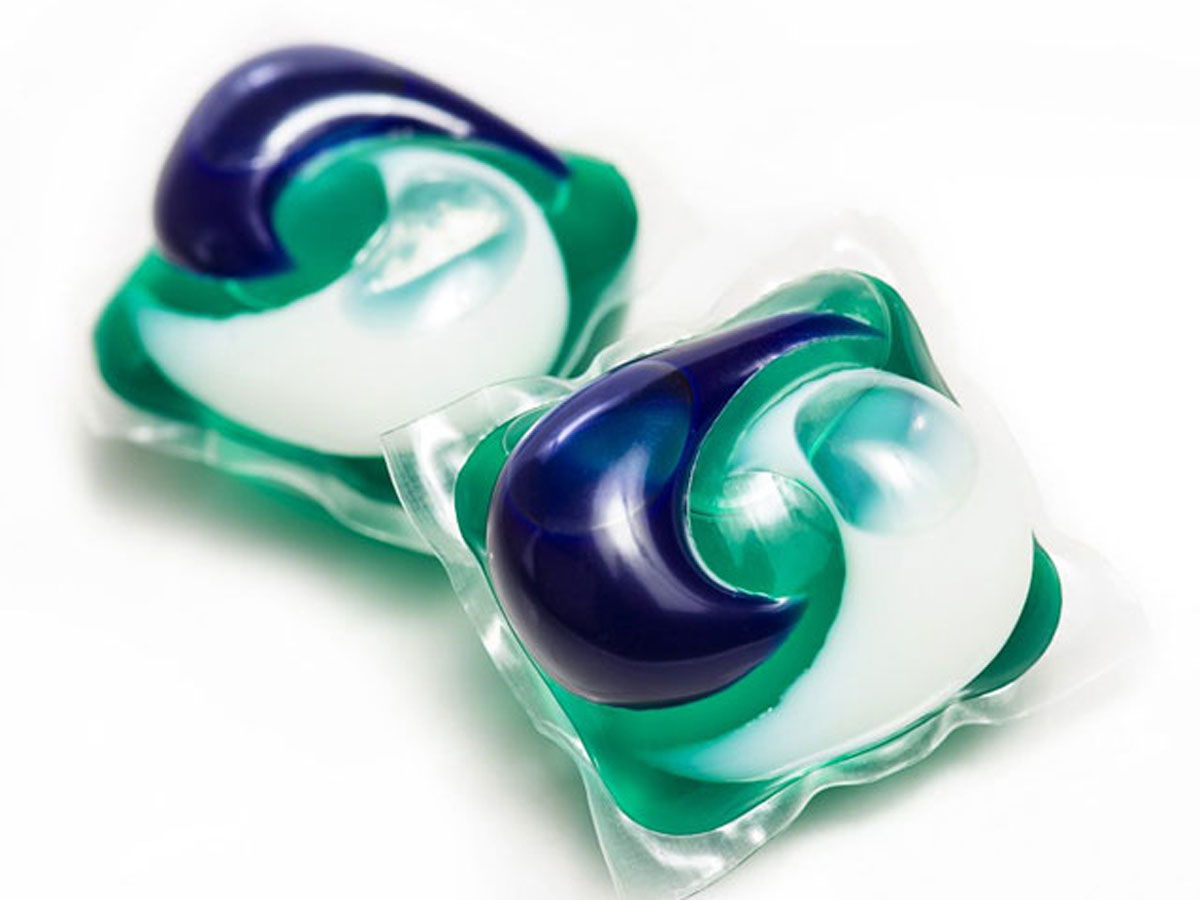
A Water Soluble Packaging Machine is designed to automate the process of forming, filling, sealing, and handling water-soluble film packages. These systems are commonly used for products such as detergents, cleaning agents, agricultural chemicals, and other formulations that benefit from pre-measured, enclosed packaging.
What Is a Water-Soluble Packaging Machine?
A water-soluble packaging machine uses specialized film that dissolves when it comes into contact with water. The equipment converts this film into individual packaging units and fills them with a predetermined amount of product before sealing each package.
Depending on the application, machines may be configured for different package sizes, shapes, filling volumes, and production requirements. Automated controls help coordinate these operations so that each stage follows a consistent sequence.
How Automation Improves the Packaging Process
Traditional packaging methods can require several manual steps, including measuring materials, positioning film, filling containers, and sealing individual packages. Automation combines many of these tasks into a controlled production process.
Key improvements can include:
- Consistent dosing: Automated filling systems can deliver more uniform quantities from one package to another.
- Higher production efficiency: Continuous machine operation can reduce the time required for repetitive packaging tasks.
- Reduced handling: Sealed individual portions limit the need for workers to repeatedly handle the product.
- Improved process control: Sensors and programmed controls can help monitor filling, sealing, and other production stages.
- Less material waste: Accurate forming and dosing can help reduce unnecessary use of film and product.
Supporting Accurate Product Dosing
Accurate dosing is particularly important for concentrated products. Too much or too little material can affect product performance, packaging consistency, and manufacturing costs.
Automated filling mechanisms can be adjusted according to the characteristics of the formulation and the required package weight or volume. This creates a more repeatable process than relying entirely on manual measurement.
For manufacturers producing large quantities, repeatability can also make quality-control procedures easier to manage.
Improving Packaging Speed and Workflow
One of the main advantages of automation is the ability to connect multiple packaging stages into one workflow. Film forming, product filling, sealing, cutting, and package discharge can be coordinated by a single system.
This reduces the number of separate manual operations required on the production line. It can also make production planning more predictable because machine settings and operating sequences can be standardized.
Reducing Direct Product Contact
Water-soluble packaging can provide a practical way to create individually measured portions while keeping the formulation enclosed inside the film. Automation further reduces the need for frequent manual handling during production.
This can be useful when packaging concentrated detergents, cleaning formulations, or agricultural products that require controlled handling procedures. Appropriate safety measures are still necessary based on the properties of the material being packaged.
Film Handling and Sealing Considerations
Water-soluble films can be sensitive to environmental conditions such as humidity. For this reason, automated packaging equipment needs to provide suitable control over film handling and sealing conditions.
Machine configuration should take into account factors such as:
- Film type and thickness
- Product viscosity
- Filling temperature
- Package dimensions
- Sealing requirements
- Production speed
- Environmental humidity
Matching the machine to the film and product formulation helps maintain package integrity throughout production and storage.
Quality Control in Automated Packaging
Automation does not eliminate the need for quality control. Instead, it provides a more structured process in which important production parameters can be monitored and adjusted.
Manufacturers may inspect package weight, seal quality, appearance, dimensions, and film integrity. Regular checks can help identify issues before they affect a large production batch.
Proper maintenance is also important. Cleaning, inspection, calibration, and timely replacement of worn components can help maintain consistent machine performance.
Choosing Equipment for Different Production Needs
Not every manufacturer requires the same packaging configuration. Production volume, product characteristics, package size, available floor space, and desired automation level can all influence equipment selection.
Before choosing a machine, manufacturers should evaluate the complete packaging process rather than focusing only on maximum production speed. Compatibility between the film, formulation, filling system, and sealing mechanism is equally important.
The Role of Automation in Modern Packaging
Automated water-soluble packaging systems are becoming increasingly relevant as manufacturers look for ways to improve production consistency and reduce repetitive manual operations.
By combining controlled dosing, film handling, sealing, and package discharge, these machines can create a more streamlined packaging workflow. The resulting process can support consistent output while giving manufacturers greater control over important production parameters.
Ultimately, the effectiveness of automated packaging depends on selecting equipment that matches the specific product, film, package format, and production environment. When these factors are properly coordinated, water-soluble packaging technology can become a practical part of a modern automated manufacturing process.