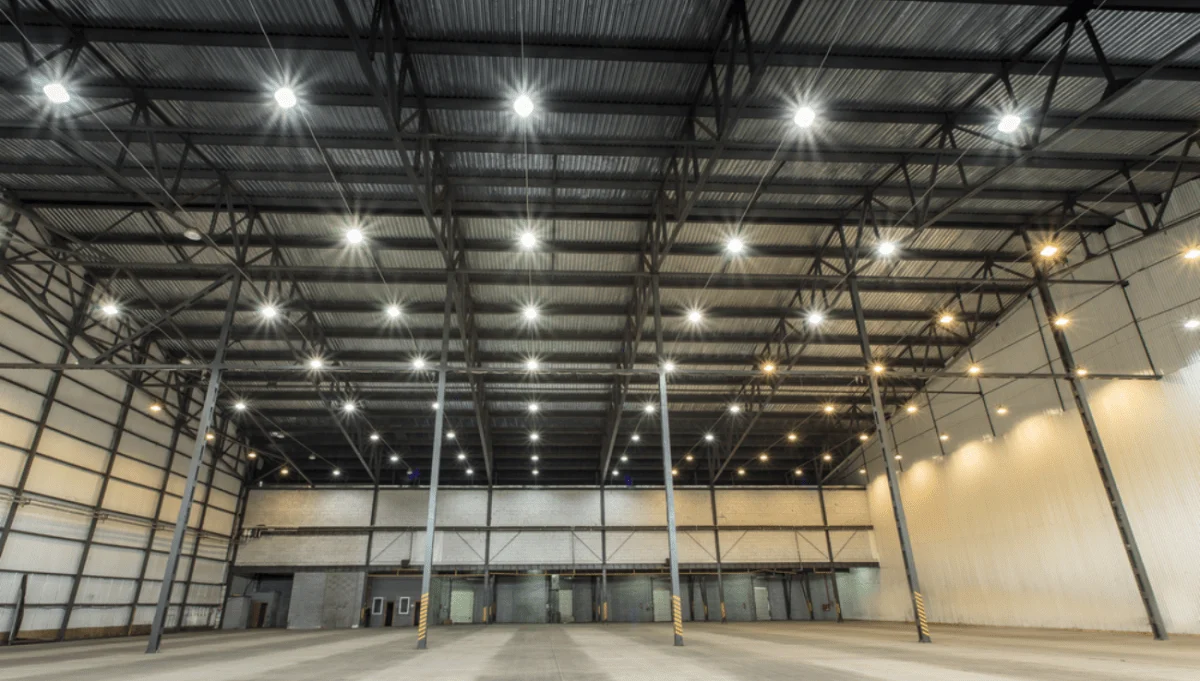
Lighting a high-ceiling facility requires more than simply choosing a powerful fixture. Warehouses, factories, distribution centers, sports halls, and other large buildings need carefully engineered illumination that reaches the working plane while controlling glare, energy use, and maintenance requirements.
A professional LED High Bay Light Manufacturer considers factors such as mounting height, beam angle, light distribution, fixture output, and operating conditions before designing a high-bay lighting solution. These factors work together to create consistent illumination across a large area without unnecessary energy consumption.
Understanding the Challenges of High-Ceiling Lighting
As mounting height increases, light has a greater distance to travel before reaching the floor or work surface. Poorly designed fixtures can therefore produce dark areas, uneven illumination, or excessive brightness directly beneath individual lights.
High-ceiling spaces may also contain shelving, machinery, cranes, ducts, and other structures that interrupt light distribution. A suitable lighting design must account for these obstacles rather than treating the entire ceiling as an open area.
How LED High Bay Lighting Is Designed
Determining the Mounting Height
Mounting height is one of the first factors considered during lighting design. High-bay fixtures are generally intended for spaces where conventional low-mounted fixtures would be impractical or inefficient.
The greater the ceiling height, the more carefully the fixture’s optical performance needs to be selected. Light output alone does not determine whether a fixture will provide useful illumination at floor level.
Selecting the Appropriate Beam Angle
Beam angle affects how widely light spreads from the fixture. Narrower distributions can help direct light toward specific areas in tall spaces, while wider beams may be useful where fixtures are installed closer together.
Manufacturers use different optical designs to match beam distribution with the layout and mounting height of a facility. The goal is to reduce unnecessary overlap while maintaining consistent illumination.
Managing Light Output
LED high bay fixtures are available in different wattages and lumen outputs. Choosing the highest-output fixture is not necessarily the most efficient approach.
Lighting designers typically consider the required illumination level, fixture spacing, ceiling height, surface reflectance, and the activities performed in the space. This helps prevent both under-lighting and excessive illumination.
Optical Design and Light Distribution
Modern high bay fixtures use lenses, reflectors, and other optical components to control how light leaves the fixture. These components help shape the distribution pattern and direct illumination toward the areas where it is needed.
Good optical design can also reduce wasted light and help minimize harsh brightness. This is particularly important in industrial environments where workers may spend long periods looking across large illuminated areas.
Considering Glare and Visual Comfort
High-intensity lighting can create uncomfortable glare when fixtures are poorly positioned or have unsuitable optical characteristics. Glare can be especially noticeable in facilities with high ceilings because workers may frequently look upward.
Manufacturers therefore consider factors such as lens design, fixture orientation, mounting position, and light distribution. In workplaces, visual comfort is an important part of creating an effective lighting environment.
Designing for Energy Efficiency
LED technology allows high-bay systems to provide substantial illumination with comparatively low energy consumption. However, fixture efficiency is only one part of the overall design.
Energy performance can also be improved through appropriate spacing, optical control, dimming, occupancy sensors, daylight harvesting, and lighting controls. These features allow the system to provide light according to actual operating conditions.
Thermal Management in High Bay Fixtures
Industrial environments can expose lighting equipment to heat, dust, vibration, and long operating hours. Effective thermal management helps LEDs and electronic components operate within appropriate temperature ranges.
High-quality fixtures may use heat sinks or other structural designs to move heat away from sensitive components. Thermal performance can influence long-term reliability and light output.
Considering the Facility Environment
A high-ceiling lighting system must match the conditions in which it will operate. Warehouses may have different requirements from manufacturing plants, cold-storage facilities, or indoor sports venues.
Design considerations can include:
- Ambient temperature
- Dust and moisture exposure
- Chemical or corrosive environments
- Vibration and mechanical impact
- Required ingress protection
- Cleaning and maintenance procedures
Selecting fixtures according to these conditions can help reduce premature failures and maintenance interruptions.
Smart Controls and Lighting Management
Modern high-bay installations can incorporate intelligent controls to improve operational efficiency. Occupancy sensors, daylight sensors, and programmable controls can adjust lighting according to how a facility is being used.
For example, areas that remain unoccupied for extended periods may not require full illumination. Automated controls can reduce unnecessary operating hours while maintaining appropriate lighting when workers enter the area.
Maintenance and Long-Term Performance
Maintenance planning is especially important when fixtures are installed several meters above the floor. Replacing a failed fixture may require lifts or specialized equipment, increasing both labor time and operational disruption.
For this reason, designers often consider fixture lifespan, driver reliability, accessibility, and maintenance requirements during the initial planning stage. A lighting system should be evaluated not only by its initial cost but also by its expected operating and maintenance needs.
Why Professional Lighting Design Matters
High-ceiling lighting involves several interconnected factors. Mounting height, spacing, lumen output, beam angle, glare, thermal performance, environmental conditions, and controls can all influence the final result.
A well-designed system provides consistent illumination across the working area while avoiding excessive energy use and unnecessary maintenance. Careful planning also makes it easier to adapt the lighting system to changes in facility layout or operations.
Final Considerations
Designing lighting for high-ceiling spaces requires a balance between illumination quality, energy efficiency, durability, and practical maintenance. LED high bay technology provides flexible options, but the fixture specification should always be matched to the physical characteristics and operating requirements of the facility.
By considering the complete lighting environment rather than focusing only on wattage or lumen output, businesses can develop high-bay systems that support safer, more comfortable, and more efficient indoor spaces.