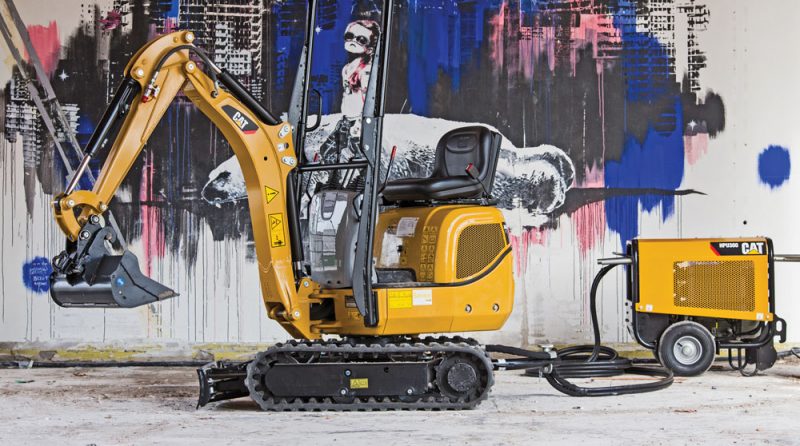
Electric mini excavators are transforming the construction industry by offering a cleaner, quieter, and more energy-efficient alternative to traditional diesel-powered machines. As battery technology continues to advance, these compact excavators are becoming more practical for a wide range of job sites, from urban construction to indoor demolition.
When exploring an electric mini excavator, it is important to understand how battery-powered excavation equipment actually works. Knowing the internal systems and operational principles helps buyers and operators make better decisions and use the machine more efficiently.
The Basic Working Principle of Electric Mini Excavators
Electric mini excavators operate using electrical energy stored in high-capacity batteries. Instead of a combustion engine, they rely on electric motors to power hydraulic systems, which control digging, lifting, and movement functions.
This conversion of electrical energy into mechanical force allows the machine to perform excavation tasks with precision and efficiency.
Battery System: The Power Source
The battery is the core component of an electric mini excavator. Most modern models use lithium-ion battery technology due to its high energy density, fast charging capabilities, and long service life.
The battery supplies electricity to the motor and onboard systems, determining how long the machine can operate before needing a recharge.
Electric Motor and Power Transmission
The electric motor replaces the traditional diesel engine. It converts electrical energy into mechanical energy, which is then used to drive the hydraulic pump.
This system ensures smooth and consistent power delivery, reducing vibration and improving overall machine control during operation.
Hydraulic System Functionality
The hydraulic system is responsible for executing the actual excavation work. Once powered by the electric motor, hydraulic pumps move fluid through cylinders to control the boom, arm, and bucket.
This allows the operator to perform precise digging, lifting, and positioning tasks with strong force and stability.
Control System and Operator Interface
Electric mini excavators are equipped with advanced electronic control systems that allow operators to manage movement and power distribution efficiently.
These systems often include:
- Joystick controls for precise movement
- Digital displays for battery and performance monitoring
- Safety systems for overload protection
This integration improves ease of use and operational accuracy.
Energy Management System
An energy management system (EMS) regulates how power is distributed across the machine. It ensures that energy is used efficiently by balancing performance demands with battery conservation.
This system helps extend runtime and improves overall operational efficiency.
Charging System and Power Recovery
Electric mini excavators are charged using external power sources. Depending on the model, charging can be done through standard or fast-charging systems.
Some advanced models may also feature regenerative energy recovery, where energy generated during operation is partially reused to improve efficiency.
Key Advantages of Battery-Powered Operation
Zero Direct Emissions
Since there is no fuel combustion, electric mini excavators produce no exhaust emissions, making them environmentally friendly.
Reduced Noise Levels
Electric motors operate much more quietly than diesel engines, making them suitable for urban and indoor environments.
Lower Mechanical Wear
With fewer moving parts compared to combustion engines, electric systems generally require less maintenance and experience reduced wear over time.
Real-World Operation Process
The operation of an electric mini excavator follows a simple cycle:
- Battery supplies power to the electric motor
- Motor drives the hydraulic pump
- Hydraulic system moves boom, arm, and bucket
- Operator controls movement via electronic interface
- Energy management system optimizes performance
This continuous loop allows smooth and efficient excavation work.
Applications of Electric Mini Excavators
Electric mini excavators are used in various industries, including:
- Urban construction and infrastructure development
- Landscaping and gardening projects
- Indoor demolition and renovation work
- Agricultural and irrigation tasks
- Utility installation and maintenance
Their flexibility makes them suitable for both light and heavy-duty applications.
Future of Battery-Powered Excavation Technology
As battery technology continues to improve, electric mini excavators are expected to become more powerful, efficient, and widely adopted. Advancements in charging speed, energy density, and smart control systems will further enhance performance.
These improvements will make electric excavation equipment a standard choice in sustainable construction practices.
Conclusion
Electric mini excavators operate through a combination of battery storage, electric motors, hydraulic systems, and intelligent control technology. This integration allows them to perform excavation tasks efficiently while reducing emissions and noise. Understanding how these machines work helps buyers and operators maximize performance and make informed decisions when choosing an electric mini excavator for sale for modern construction needs.