Choosing between wood-look metal chairs and real wood chairs is an important decision for both residential and commercial interiors. While both options offer visual warmth and seating comfort, they differ significantly in durability, maintenance, cost, and long-term performance.
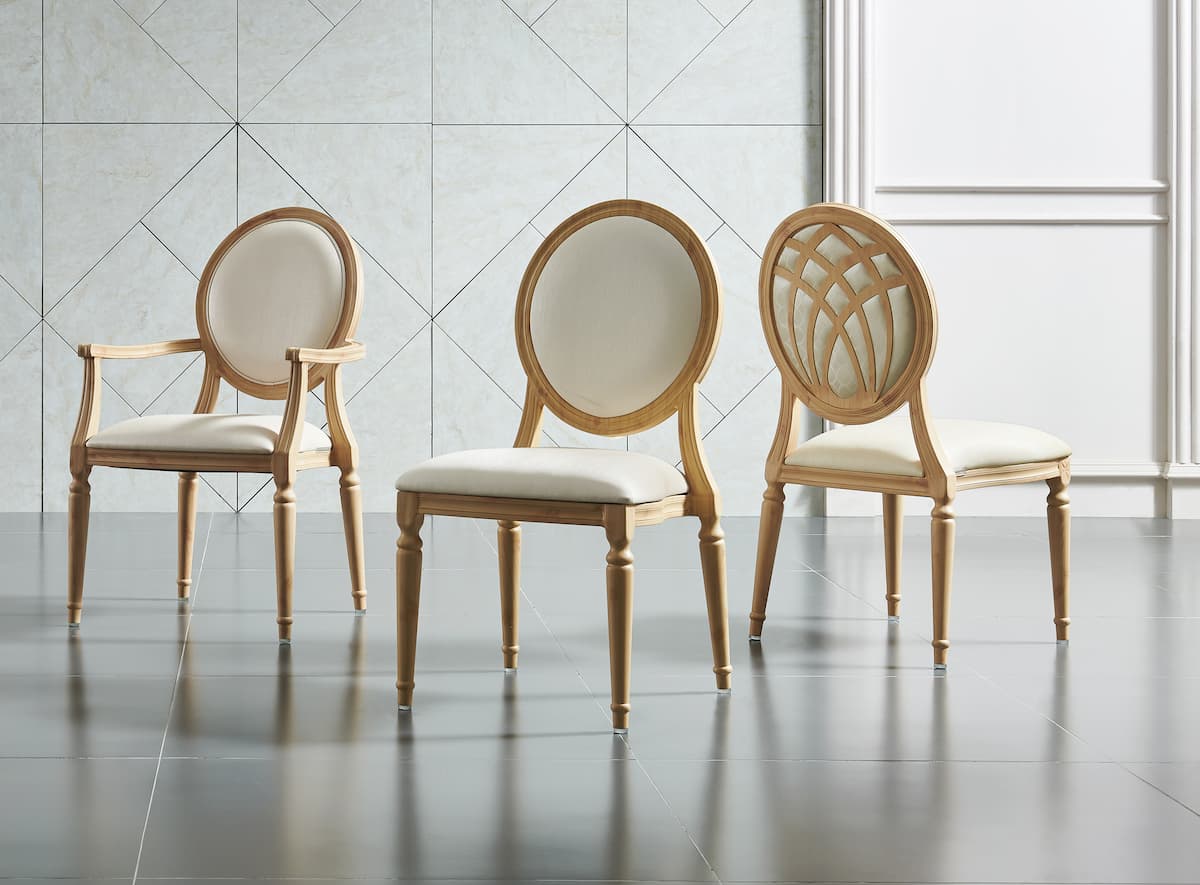
Wood-look metal chairs have emerged as a modern alternative to traditional wooden furniture. They combine the appearance of natural wood with the structural strength of metal, making them especially suitable for high-traffic environments.
Wood-look metal chairs are widely used in hospitality and dining spaces where both aesthetics and durability are essential. Wood-look metal chairs from Yumeya Furniture are designed specifically to meet these demands, offering a balance of style and long-term performance. You can explore their design approach and applications here: wood-look metal chairs.
Material Composition and Construction
Real wood chairs are made entirely from natural timber, which gives them an authentic and traditional appeal. However, their organic structure also makes them more vulnerable to environmental changes.
Wood-look metal chairs, on the other hand, are constructed using metal frames with a wood-grain finish applied to the surface. This allows them to maintain a natural wood appearance while benefiting from the strength and stability of metal.
Durability Comparison
Durability is one of the most significant differences between the two options.
Wood-Look Metal Chairs
- Resistant to cracking, warping, and splitting
- Strong metal frame supports heavy and frequent use
- Surface finish maintains appearance over time
- Better suited for commercial environments
Real Wood Chairs
- Can warp or expand due to humidity
- Prone to scratches and dents
- May weaken at joints over time
- Requires careful handling in busy settings
Overall, wood-look metal chairs generally offer superior durability, especially in high-usage spaces.
Maintenance Requirements
Maintenance needs also differ greatly between the two types.
Wood-look metal chairs are low-maintenance. They typically require only basic cleaning with a damp cloth and do not need polishing or refinishing.
Real wood chairs require more care, including:
- Regular polishing to maintain shine
- Occasional refinishing or sealing
- Protection from moisture and stains
This makes wood-look metal chairs more practical for busy environments like restaurants and hotels.
Cost and Long-Term Value
While real wood chairs can be expensive depending on the type of wood used, their maintenance and replacement costs can add up over time.
Wood-look metal chairs often provide better long-term value due to:
- Longer lifespan
- Lower maintenance expenses
- Reduced need for replacement
- Stable pricing for bulk commercial use
This makes them a cost-effective choice for large projects.
Aesthetic Appeal and Design Flexibility
Real wood chairs offer natural grain patterns that vary from piece to piece, giving them a unique and organic appearance. However, this variability can make it difficult to maintain a uniform look in large spaces.
Wood-look metal chairs provide consistent wood-like finishes that can replicate various wood tones, such as oak, walnut, or teak. This consistency is particularly valuable in commercial interiors where uniform design is important.
Environmental and Practical Considerations
Wood-look metal chairs can also support more sustainable furniture choices by reducing reliance on natural timber. Additionally, their longer lifespan contributes to less waste over time.
They are also:
- Resistant to termites and pests
- Suitable for both indoor and outdoor use
- More stable in changing weather conditions
Ideal Usage Scenarios
Each type of chair has its own ideal applications:
Wood-Look Metal Chairs:
- Restaurants and cafés
- Hotels and banquet halls
- Event and conference spaces
- High-traffic public areas
Real Wood Chairs:
- Low-traffic residential spaces
- Traditional or antique-style interiors
- Decorative seating areas
Conclusion
When comparing wood-look metal chairs and real wood chairs, the key differences lie in durability, maintenance, and long-term value. While real wood offers natural authenticity, wood-look metal chairs provide a more practical solution for modern environments.
For businesses and homeowners seeking a balance of style, strength, and efficiency, wood-look metal chairs stand out as a reliable and versatile choice for a wide range of applications.